





| Miejsce pochodzenia: | Chiny |
|---|---|
| Nazwa handlowa: | Zion communication OR OEM |
| Orzecznictwo: | ISO, CE, RoHS, UL |
| Numer modelu: | Skarba na półce sieciowej |
| Minimalne zamówienie: | 1000 szt |
| Szczegóły pakowania: | 1 szt./plastikowa torba, szt./karton |
| Czas dostawy: | Zwykle 10 dni roboczych |
| Zasady płatności: | T/T, akredytywa |
| Możliwość Supply: | 30 000 szt. / Miesiąc |
| Model: | Skarba na półce sieciowej | Bnad: | Komunikacja Syjonu |
|---|---|---|---|
| Kolor: | Czarny, szary | ładowność: | 60 kg |
| Podkreślić: | 60kg Loading Capacity Wall Cabinet,Steel Frame Structure Network Rack Cabinet,Tempered Glass Front Door 19-inch Enclosure |
||
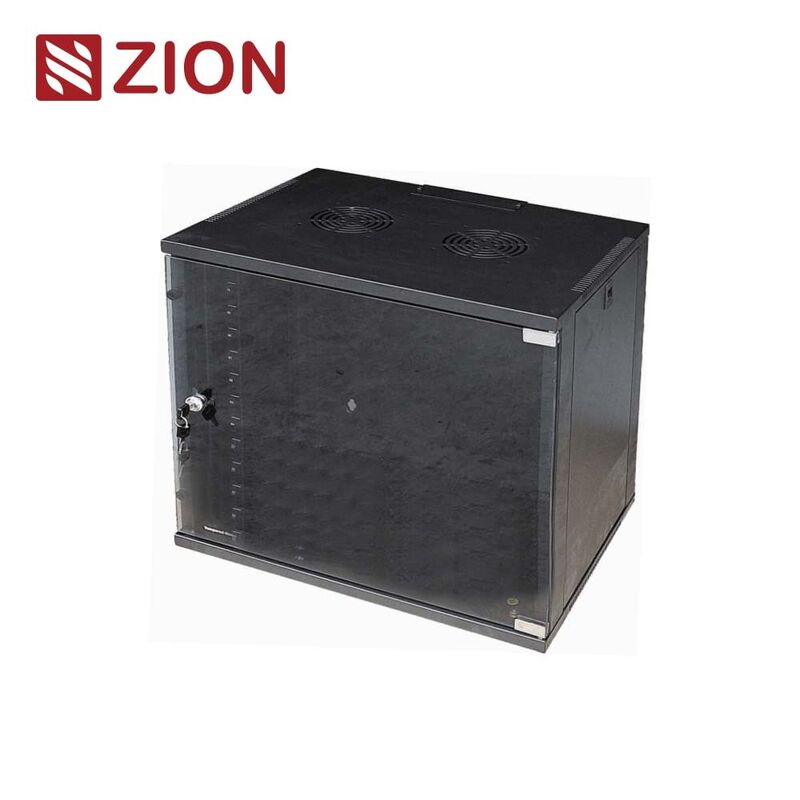
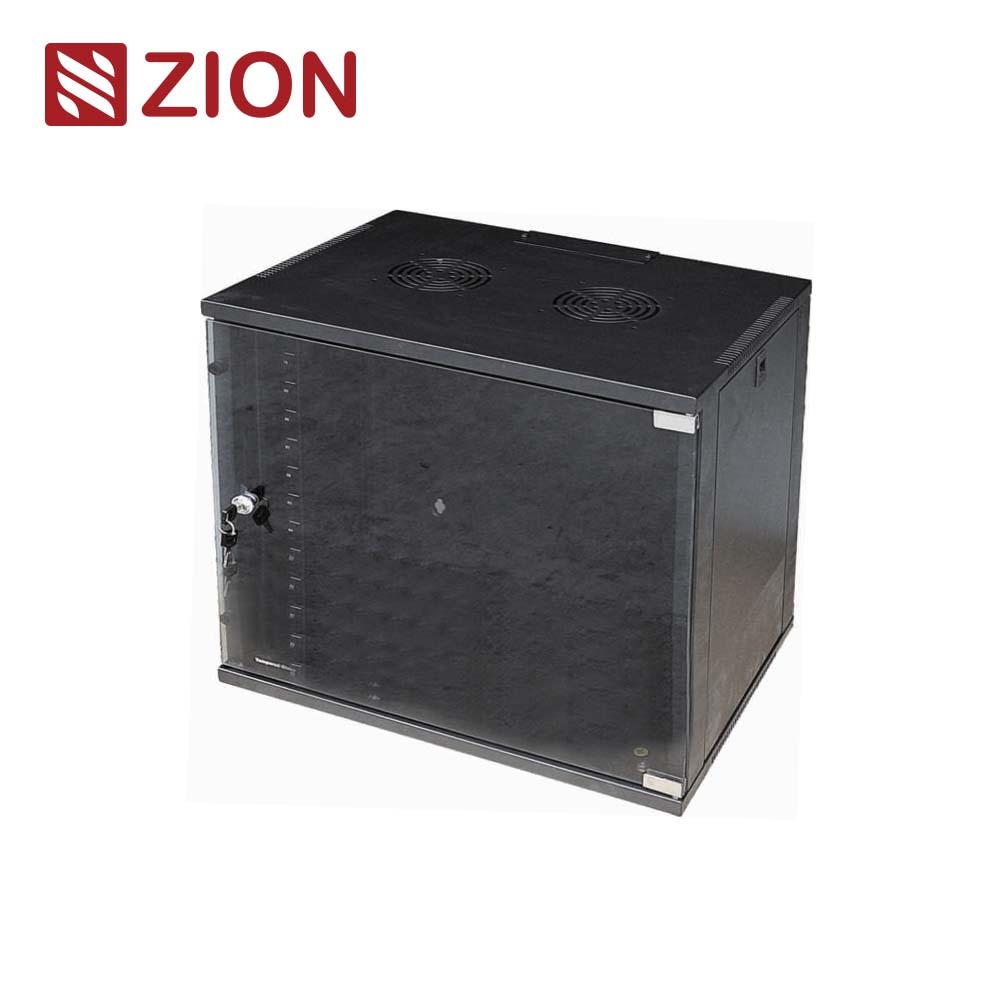
The ZM-C Single Section Wall Cabinet is a compact 19-inch wall-mounted enclosure designed for small network, telecom, and security installations where organized cable routing, practical access, and reliable light-duty equipment deployment are required.
Add product front view, internal mounting profile image, installed project scene, or open-door maintenance view here.
Suitable for installation demo, factory overview, cable-routing explanation, or ventilation upgrade presentation.
The ZM-C Single Section Wall Cabinet is positioned as a compact 19-inch enclosure for small network, telecom, and security installations. It is designed for indoor light-duty deployments where a floor-standing cabinet would be oversized, but equipment protection, organized routing, and controlled access are still necessary.
Its steel frame structure, adjustable mounting system, and cable management design make it suitable for practical edge-side applications. For project teams, the key value is not only the compact size, but also the balance between installation convenience, maintenance access, and equipment compatibility.
The right wall cabinet should be selected by actual deployment conditions, not just rack unit size. Depth, wall strength, cable direction, and equipment heat load often decide whether the project stays easy to maintain after installation.
The ZM-C cabinet is designed to support efficient installation and service work in compact indoor environments. Its structure and routing features focus on real project usability rather than unnecessary complexity.
| Feature | What It Means | Project Benefit |
|---|---|---|
| Steel Frame Structure | Single-section cabinet with precise craftsmanship | Improves rigidity and installation confidence |
| 19″ Equipment Compatible | Suitable for standard IT and telecom devices | Simplifies equipment compatibility planning |
| Tempered Glass Front Door | Welded structure with over-180° opening | Makes installation, inspection, and servicing easier |
| Bolted Side Panels | Easy installation and maintenance access | Helps reduce field service difficulty |
| Top & Bottom Cable Entry | Cover plate for organized routing | Improves cable discipline and routing order |
| Adjustable Mounting Rails | L-shaped profiles for depth adjustment | Supports more accurate equipment fit |
| Fan-Ready Top Panel | Supports ventilation upgrade | Useful when active thermal management is needed |
| Item | Specification |
|---|---|
| Rack Standard | 19-inch |
| Frame Material | SPCC high-quality cold rolled steel |
| Mounting Profile Thickness | 1.2 mm |
| Other Parts Thickness | 1.0 mm |
| Surface Treatment | Degreasing → Pickling → Phosphating → Powder Coating |
| Static Loading Capacity | Up to 60 kg |
| Protection Level | IP20 |
| Front Door | Tempered glass front door |
| Door Opening | Over 180° |
| Cable Entry | Top and bottom cable entry with cover plate |
| Ventilation | Fan-ready top panel |
| Standards Compliance | ANSI/EIA RS-310-D, IEC 60297-2, DIN 41497 Part 1, DIN 41494 Part 7, GB/T 3047.2-92 |
| Application Positioning | Light-duty equipment deployment for indoor network, telecom, and security installations |
The ZM-C cabinet uses SPCC cold rolled steel as its main structural material and combines a cabinet body, side panels, mounting profile, front door, and lock structure into a compact wall-mounted format. Its structure is designed around practical access and organized light-duty deployment rather than oversized capacity.
| Structure Element | Description | Engineering Value |
|---|---|---|
| Cover | Top cover with fan-ready area | Supports organized top access and ventilation upgrade |
| Cabinet body | Main structural enclosure body | Forms the compact load-bearing framework |
| Side panel | Bolted side access panel | Improves installation and maintenance accessibility |
| Mounting profile | L-shaped adjustable rail structure | Helps match equipment depth and positioning |
| Front door | Tempered glass door opening over 180° | Supports visual inspection and easier front access |
| Lock | Basic security closure | Adds controlled access for installed equipment |
For compact wall cabinets, structure quality matters most when the site has limited working space. Easy door opening, side access, and adjustable rails often reduce more field labor than a simple thickness comparison alone.
The ZM-C is best suited to indoor projects where equipment density is moderate, space is limited, and a controlled enclosure is required for operational order and maintenance convenience.
| Application Scenario | Why ZM-C Fits | What to Verify Before Approval |
|---|---|---|
| Small network installation | Compact wall-mounted 19-inch enclosure for standard devices | Device depth, cable direction, wall support |
| Telecom edge point | Supports organized indoor telecom device deployment | Cable entry path, service clearance, growth space |
| Security installation | Suitable for compact equipment concentrations in protected indoor sites | Heat load, lock requirement, maintenance frequency |
| Branch-side access equipment | Useful where a floor-standing cabinet would be excessive | Shelf need, power arrangement, future expansion |
| Indoor light-duty deployment | Provides an orderly and practical enclosure without using floor area | Installation quality, access route, environmental suitability |
For most engineering and procurement teams, the fastest correct choice is to verify installation method, indoor suitability, equipment depth, service access, and thermal behavior before locking the cabinet model.
| Decision Point | Choose ZM-C When | Do Not Choose It When | Alternative Direction | Cost / Risk / Maintainability Impact |
|---|---|---|---|---|
| Installation type | A wall-mounted 19-inch enclosure is required | The project needs floor-standing capacity or central-room expansion | Use a floor-standing cabinet | Correct wall-cabinet use saves footprint and project cost |
| Load level | Equipment remains within 60 kg static loading range | The site needs heavier equipment support or larger structural reserve | Select a higher-load cabinet platform | Wrong load choice increases safety and reliability risk |
| Environment | The site is indoor and IP20 is acceptable | Outdoor or higher ingress protection is needed | Use higher-protection enclosure solutions | Wrong environment choice raises maintenance and failure risk |
| Depth match | Adjusted mounting space fits actual device depth and cable allowance | Equipment body plus connectors exceed the usable cabinet space | Move to deeper or different cabinet format | Depth mismatch is a common installation-delay cause |
| Thermal behavior | Heat load is moderate and fan-ready support is sufficient | The enclosed devices generate persistent high heat without thermal planning | Choose a larger or more ventilation-oriented solution | Ignoring heat reduces equipment life and operational stability |
| Access pattern | Front access and side-panel service logic suit the maintenance plan | The site needs unusually frequent rear or wide-side working access | Use a cabinet with more service clearance | Proper access design reduces labor and rework |
If the project is indoor, wall-mounted, light-duty, depth-matched, and thermally manageable, ZM-C is usually a strong fit for compact network, telecom, and security applications.
A correct ZM-C selection depends on deployment details rather than headline size alone. In B2B purchasing, the most common issues come from underestimating equipment depth, cable entry direction, and service space after installation.
| Selection Factor | Question to Ask | Recommendation |
|---|---|---|
| Rack capacity | How many devices and accessories must be installed now and later? | Leave reserve space instead of sizing only to current load |
| Depth | What is the actual device depth including connectors and cable bend allowance? | Verify usable depth with real device drawings if possible |
| Cable routing | Will entry be from top, bottom, or both? | Confirm routing path and cover-plate use before installation |
| Ventilation | Will enclosed equipment generate enough heat to require active fan support? | Evaluate fan option during the quotation stage |
| Service access | Is there enough front and side clearance for maintenance? | Reserve working space before final wall position is fixed |
| Project delivery | Are there any custom requirements that affect the final BOM? | Freeze the full cabinet configuration before production scheduling |
Start with installation type, then confirm device depth, load, ventilation, and service space. If all four match the actual site, the cabinet decision becomes much safer and easier to maintain later.
It is designed for small indoor network, telecom, and security installations that need a compact 19-inch wall-mounted enclosure.
No. The stated protection level is IP20, so it is intended for indoor use.
It is suitable for standard 19-inch IT and telecom devices within the cabinet’s light-duty loading and depth limits.
Adjustable L-shaped mounting rails help match real device depth and positioning, reducing installation mismatch risk.
Yes. The top panel is fan-ready, which makes it easier to plan active ventilation when needed.
Procurement should confirm equipment depth, cable-entry direction, wall-mount condition, ventilation need, quantity, and whether the maintenance plan fits the cabinet layout.
The ZM-C Single Section Wall Cabinet is a practical and reliable wall-mounted solution for compact indoor network, telecom, and security deployments. Its strength lies in its steel frame structure, adjustable mounting system, organized cable-entry design, and practical service access rather than unnecessary oversizing.
For best project results, evaluate it by real installation conditions: device depth, indoor environment, wall support, thermal load, and maintenance access. When these conditions align, ZM-C becomes a cost-effective enclosure choice for organized light-duty equipment deployment.